Sexual abuse of a child is any sexual act, contact, interaction, exploitation or exposure involving a child. Under South African law, children cannot consent to sexual activity with adults.
Examples of child sexual abuse include:
Violations of bodily privacy
Exposing children to sexual activity or sexually explicit content
Commercial sexual exploitation
Child sexual abusers can be:
In most cases, children are sexually abused by someone they know and trust.
Regardless of a child's behaviour, appearance or reactions, responsibility always lies with the person who commits the abuse. Sexual abuse is never the child's fault.
SIGNS & SYMPTOMS
Children who have been sexually abused may display one or more of the following signs:
- Age-inappropriate knowledge of sexual behaviour or sexual acts.
- Sexualised behaviour that is unusual for the child's age or developmental stage.
- Avoidance of discussions about sexuality or discomfort with their own body.
- Sudden changes in behaviour, including becoming unusually compliant, withdrawn, anxious or aggressive.
- Fear of, reluctance to be alone with, or strong emotional reactions towards a particular person.
- Nightmares, sleep disturbances or bedwetting.
- Unexplained mood changes, depression or anxiety.
- Regression to younger behaviours, such as thumb-sucking or clinginess.
- Self-harm, risk-taking behaviour or suicidal thoughts in older children.
- Difficulty concentrating or a sudden decline in school performance.
It is important to remember that these signs do not automatically indicate sexual abuse. However, if several signs are present, or if there are concerns about a child's safety, the situation should be taken seriously and appropriate support should be sought.
Resources
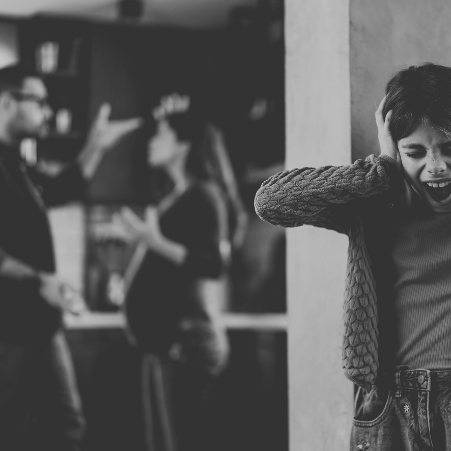
Emotional abuse occurs when a child is repeatedly exposed to behaviour, attitudes, or actions that harm their emotional well-being, self-worth, sense of safety, or healthy development. It can be caused by what a person does, says, or fails to do.
Unlike physical abuse, emotional abuse may leave no visible injuries, but its effects can be profound and long-lasting. Emotional abuse is often present alongside other forms of abuse, such as physical abuse, sexual abuse, neglect or exploitation.
Emotional abuse may include:
Who Can Emotionally Abuse a Child?
Emotional abuse can be perpetrated by adults or by other children and young people. This may include: Parents, guardians, or caregivers.
Other Terms Used for Emotional Abuse
Emotional abuse may also be referred to as psychological abuse.
SIGNS & SYMPTOMS
Possible Signs of Emotional Abuse
Children who are experiencing emotional abuse may not show obvious physical signs. Instead, the impact is often seen in their emotions, behaviour, relationships and development.
Some possible signs include:
While these signs do not automatically mean a child is being emotionally abused, they may indicate that a child is experiencing significant emotional distress and may need support. Emotional abuse can have serious and long-lasting effects on a child's mental health, relationships and overall well-being if left unaddressed.
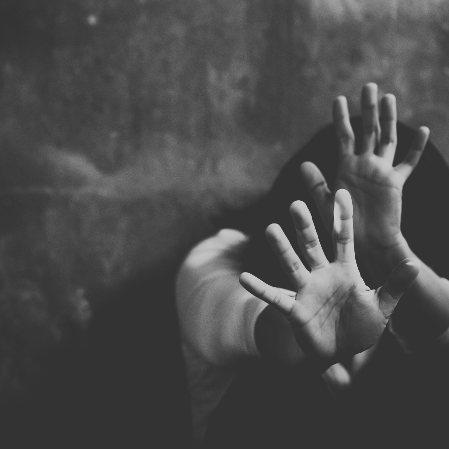
Physical abuse occurs when a child is deliberately harmed or injured through the use of physical force. It can result in injuries ranging from bruises and burns to broken bones, internal injuries, permanent disability, or even death.
Physical abuse may include:
Physical Punishment and the Law
In South Africa, corporal punishment of children is unlawful. Children have the right to be protected from all forms of violence, abuse and degrading treatment. Discipline should never involve physical force, threats of violence or actions that cause harm.
Other Forms of Physical Abuse:
Shaken Baby Syndrome (Abusive Head Trauma).
Violently shaking a baby or young child can cause severe brain injury, blindness, developmental delays, permanent disability or death.
Fabricated or Induced Illness (Previously Known as Munchausen Syndrome by Proxy)
This occurs when a caregiver deliberately causes, exaggerates or fabricates illness in a child, resulting in unnecessary medical treatment and harm.
Substance Exposure During Pregnancy
The misuse of alcohol, drugs or other harmful substances during pregnancy can seriously affect a child's development and may lead to lifelong physical, cognitive and behavioural difficulties, including Fetal Alcohol Spectrum Disorder (FASD).
No child deserves to be hurt. If you suspect a child is being physically abused, report your concerns to the relevant authorities or child protection services. Early intervention can help protect a child from further harm.
SIGN & SYMPTOMS
Possible Signs of Physical Abuse
Child
exploitation occurs when a child is used, manipulated or taken advantage of for
the benefit of another person. The benefit may be financial, sexual, criminal,
social or personal. Exploitation violates a child's rights, dignity and
well-being and often involves an abuse of power, trust or vulnerability. Children
may be exploited by family members, caregivers, acquaintances, organised
criminal groups, employers, traffickers or individuals they meet online.
Exploitation can occur in person or through digital platforms and often
involves coercion, deception, intimidation, grooming or manipulation. Many
exploited children do not recognise that they are being abused, particularly
when the exploitation is disguised as friendship, love, opportunity, protection
or financial support.
Child
Exploitation May Include
- Sexual exploitation, including prostitution, pornography or the creation and sharing of child sexual abuse material.
- Trafficking of children for sexual, labour or criminal purposes.
- Forced labour, child labour or domestic servitude.
- Using children to commit crimes such as theft, drug trafficking, fraud or gang-related activities.
- Forcing or encouraging children to beg for money or goods.
- Financial exploitation, where a child is used to obtain money, grants or benefits.
- Online exploitation, including grooming, sextortion and the manipulation of children through social media or gaming platforms.
- Forced participation in illegal or harmful activities for the benefit of others.
- Offer gifts, money, food, transport, accommodation or opportunities.
- Isolate the child from supportive adults.
- Use threats, intimidation, violence or emotional manipulation.
- Create dependency by meeting needs the child may not otherwise have.
- Exploit a child's desire for acceptance, affection, belonging or financial security.
How
Exploitation Often Happens
- Those who exploit children frequently:
- Build trust with the child and their family.
- Isolate the child from supportive adults.
- Use threats, intimidation, violence or emotional manipulation.
- Create dependency by meeting needs the child may not otherwise have.
- Exploit a child's desire for acceptance, affection, belonging or financial security.
- Offer gifts, money, food, transport, accommodation or opportunities.
The
Impact of Exploitation
Child
exploitation can have devastating and lifelong consequences. Victims may
experience physical injury, trauma, mental health challenges, substance abuse,
educational disruption, social isolation and difficulties forming healthy
relationships. Many children who are exploited require long-term support and
protection to recover.
Every child has the right to be protected from exploitation, trafficking, abuse and harmful labour practices. Communities, families, schools and organisations all have a role to play in recognising the warning signs and ensuring that children are safe, valued and protected.
Possible Signs of Child Exploitation

Online abuse and exploitation occur when a child is harmed, manipulated, exploited or exposed to danger through the internet, social media platforms, messaging apps, online games or other digital technologies.
While technology creates opportunities for learning, communication and entertainment, it also provides offenders with new ways to access, groom and exploit children. Online abuse can happen to any child, regardless of age, gender, background or location. Online abuse often begins with seemingly harmless contact and may gradually develop into manipulation, coercion, exploitation or blackmail.
Online Abuse and Exploitation May Include:
- Online grooming by adults or older children seeking to gain a child's trust for sexual or criminal purposes.
- Sextortion, where a child is blackmailed using intimate images, videos or personal information.
- The creation, sharing or possession of child sexual abuse material.
- Pressure to send intimate photographs, videos or messages.
- Cyberbullying, harassment or online intimidation.
- Exposure to violent, sexual, hateful or age-inappropriate content.
- Recruitment by predators through online games, social media platforms or chat applications.
- Identity theft, scams and online fraud targeting children.
- Encouraging children to engage in dangerous challenges, self-harm or criminal activity.
How Online Grooming Works
- Offenders often spend time building trust with a child before attempting to exploit them. They may:
- Pretend to be a child or teenager.
- Offer friendship, attention, gifts, gaming credits or money.
- Encourage secrecy from parents and caregivers.
- Move conversations to private messaging platforms.
- Gradually introduce sexual conversations or requests.
- Use threats, guilt or blackmail to maintain control.
Helping Children Stay Safe Online
- Keep communication open and non-judgemental.
- Teach children never to share personal information or intimate images online.
- Encourage them to tell a trusted adult if something online makes them uncomfortable.
- Use privacy and parental safety settings where appropriate.
- Discuss online risks regularly rather than relying on a single conversation.
- Remind children that people online may not be who they claim to be.
SIGNS & SYMPTOMS
Possible Signs of Online Abuse or Exploitation
Neglect occurs when a parent, caregiver or person responsible for a child fails to provide for the child's basic physical, emotional, educational or medical needs, placing the child's health, safety, development or well-being at risk.
Unlike other forms of abuse, neglect is often the result of what a caregiver fails to do rather than what they actively do. Neglect may be a single serious incident or a pattern of ongoing behaviour that deprives a child of the care and protection they need to thrive.
Neglect is one of the most common forms of child maltreatment and can have significant long-term effects on a child's physical health, emotional well-being, learning and development.
Neglect May Include:
- Failing to provide adequate food, nutrition or clean drinking water.
- Failing to provide appropriate clothing, shelter or safe living conditions.
- Leaving a child unsupervised or in unsafe situations.
- Failing to protect a child from harm, abuse or exploitation.
- Failing to provide necessary medical care or treatment.
- Ignoring a child's emotional needs for love, support and security.
- Exposing a child to dangerous environments, substance abuse or criminal activity.
- Failing to ensure a child attends school or receives an education.
- Abandoning a child or leaving them without appropriate care arrangements.
Types of Neglect
Physical Neglect. Failure to provide a child's basic needs such as food, clothing, shelter, supervision and safety.
Medical Neglect. Failure to obtain necessary medical, dental or mental health care for a child.
Educational Neglect. Failure to ensure a child receives an education or attends school regularly.
Emotional Neglect. Failure to provide love, affection, emotional support, encouragement and a sense of belonging.
The Impact of Neglect
Neglect can be
just as harmful as physical or sexual abuse. Children who experience neglect
may struggle with physical health problems, developmental delays, learning
difficulties, emotional challenges and difficulties forming healthy
relationships later in life. Every child has the right to adequate care,
protection, nutrition, healthcare, education and a safe environment. When these
basic needs are not met, a child may be experiencing neglect and may need
support and protection.
- Poor hygiene, body odour or consistently dirty clothing.
- Frequent hunger, malnutrition or stealing food.
- Inappropriate clothing for weather conditions.
- Untreated medical, dental or developmental problems.
- Frequent absence from school or poor school attendance.
- Being left alone for long periods or caring for younger siblings without supervision.
- Constant tiredness, fatigue or falling asleep at school.
- Delayed physical, emotional or developmental growth.
- Low self-esteem, withdrawal or attachment difficulties.
- Risk-taking behaviour or seeking attention and care from strangers.